Walk into most busy clinics and you’ll find talented clinical teams buried in admin: paper records, appointment juggling, billing that leaks, and pharmacy shelves that run empty at the worst moment. None of it is clinical work, and all of it steals time from patients. A connected operations system is how you get that time back.
Where the time goes
Three problems show up again and again:
- Scattered records — patient history spread across files, folders and half a dozen tools.
- Billing leakage — services delivered but never billed or reconciled, quietly eroding revenue.
- Stock-outs — pharmacy and lab supplies that run short because nobody’s watching reorder levels.
One system for the front and back office
Built on ERPNext, a single operations system ties the practice together: patient records and documents in one place, appointment scheduling with reminders, service and package billing, and pharmacy and lab inventory with batch, expiry and reorder alerts. Each part talks to the others, so a booked appointment, the service delivered and the bill raised are the same thread — not three disconnected steps.
Operations, not diagnosis
To be clear: this is about running the practice well, not about clinical decision-making. It handles the administrative and inventory backbone — and integrates with clinical tools where you need it — so your team spends less time on paperwork and more on patients.
Kept secure
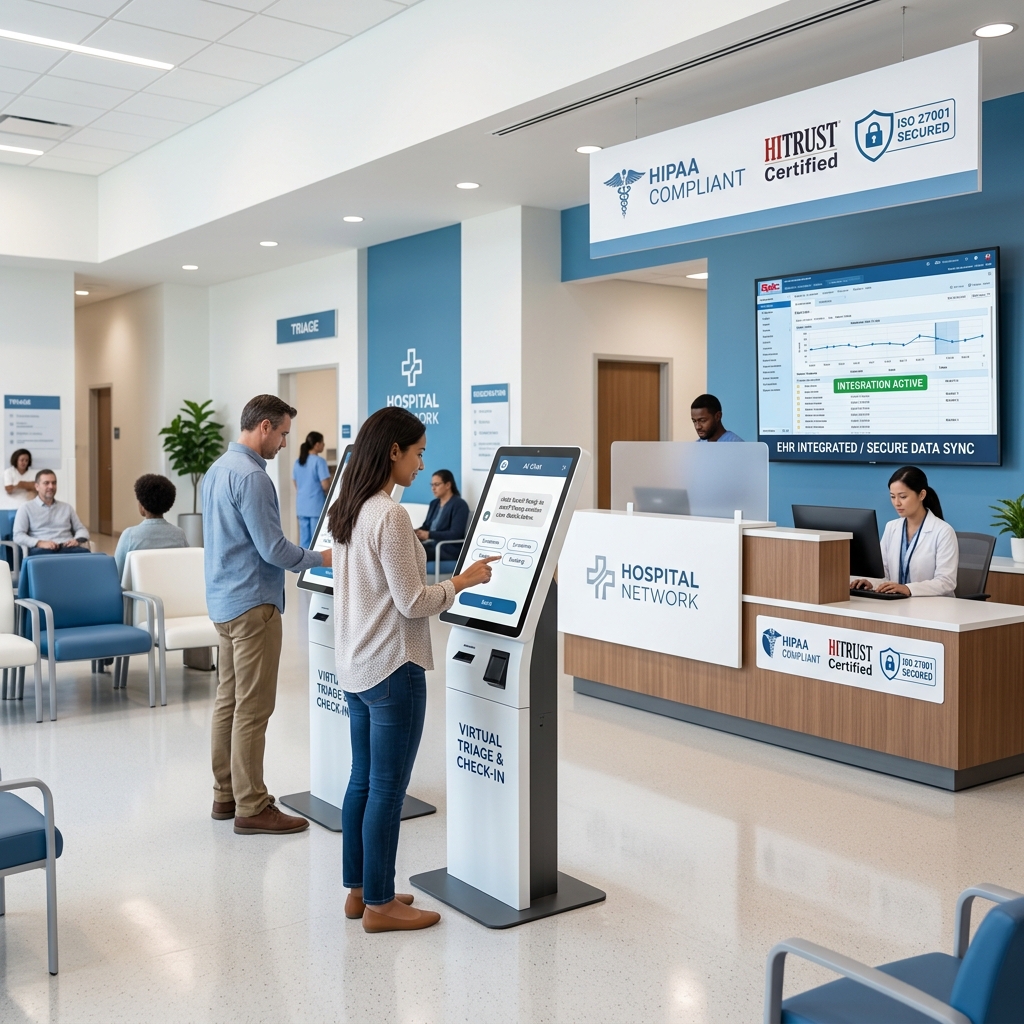
Patient data deserves care. Role-based access and controls keep information with the people who should see it, configured to your privacy and compliance requirements.
MyntiQ implements connected operations for clinics and hospitals on ERPNext, with dashboards and AI-assisted insight. Book a demo and we’ll map it to your workflows.